Skin Flushing: What It Is, Causes & Treatment
However, some people, such as those with psoriasis and rosacea, will need to continue treatment even after they have stopped drinking alcohol. According to a 2019 study involving 20 people of East Asian descent, applying topical brimonidine (Mirvaso) to the skin before drinking alcohol may reduce the appearance of flushing. Brimonidine is prescription-only, and doctors may prescribe it to people with rosacea. However, prolonged alcohol use can cause other complications that affect the skin, such as liver disease. The million dollar question, of course, is exactly how much alcohol is problematic? All of the experts we spoke agree that there’s no well-delineated tipping point.

How Long After Quitting Drinking Does Skin Improve?
Spider telangiectasis is given that name because of its appearance. Blood vessels (the spider legs) radiate out in all directions from a central blood vessel (its body). Like other blood vessels, spider angiomas blanch when pressure is applied. They are most frequently found on the face, v of the neck, chest, arms, hands and abdomen. “Excessive alcohol consumption can cause nerve damage and irreversible forms of dementia,” Dr. Sengupta warns.

Naltrexone (Revia) – Uses, Side Effects, and More
By one month without alcohol, you’ll experience reductions in blood pressure, cholesterol, and diabetes risks. Your skin is the largest organ in your body and acts as alcoholism symptoms a frontline barrier against environmental damage. Alcohol consumption triggers inflammation in your body, which can be seen on your skin as redness, puffiness, or even acne flare-ups. This inflammatory response is a direct result of your immune system’s reaction to alcohol and its toxic byproducts such as acetaldehyde.
- “Alcohol causes dehydration and inflammation, so when it’s removed, the skin often looks less dull, less puffy and more even within just a few days to a couple of weeks,” he says.
- Activated charcoal can interact with other medications, so check with your doctor before trying it if you’re currently taking medications.
- It’s always best to connect with your doctor before quitting alcohol.
- Urea and other waste products can pass from the bloodstream into your gut through a process known as diffusion.
Short-Term Effects of Drinking Alcohol on Skin
- Skin experts and dermatologists consistently highlight alcohol’s significant effects on hydration, inflammation, sleep quality, and the skin barrier.
- If you are a heavy drinker, your alcohol use will soon affect your skin health.
- Products also play an important role, says Dr. Reszko, helping to both support the natural reparative processes at play as your skin sobers up and filling in some gaps.
- If you’ve had a recent illness, dehydration may be related to a loss of fluids from being sick.
- Alcohol can disrupt your sleep patterns, reducing the quality and quantity of restorative sleep.
Although you may already have noticed an improvement to symptoms, Khan says ‘gut health will typically take two to three weeks to significantly improve’. Booze might knock us out but reduces the amount of time we spend in the rapid eye movement (REM) cycle of sleep, which has the most restorative effect on our body. ‘It can feel unnerving at first as your brain tries to put you to sleep naturally,’ says Porter. Recently, however, the health concerns surrounding alcohol have become harder to ignore and it might feel like every other person you know is taking a break from booze.
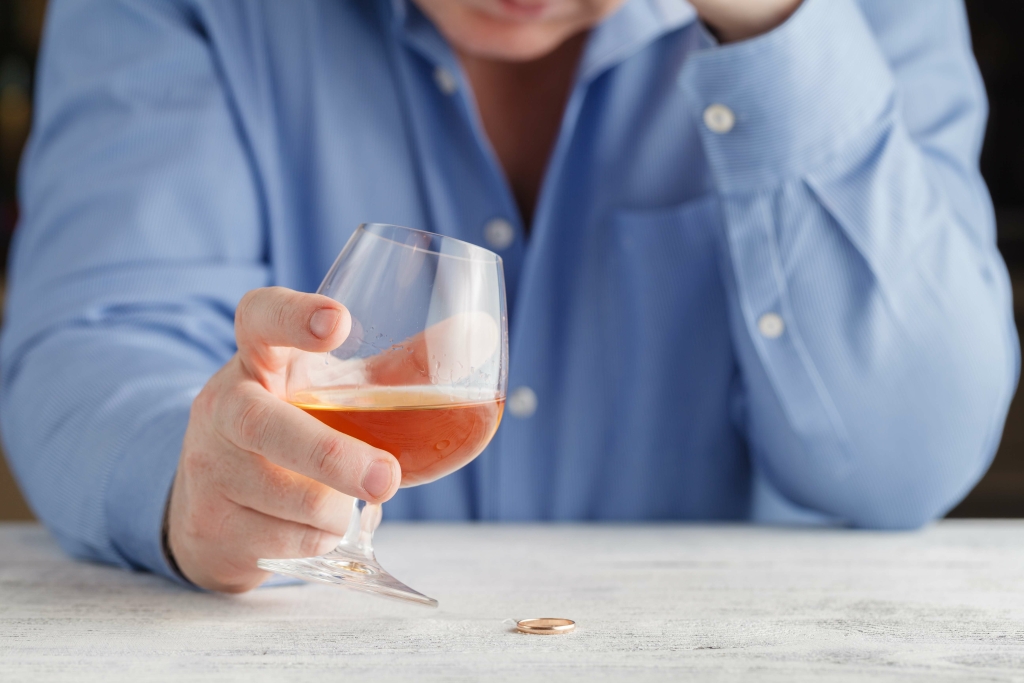
As a result, they eventually need to drink more to notice the same effects they once did. People who drink heavily over a https://ecosoberhouse.com/ long period of time are also more likely to develop pneumonia or tuberculosis than the general population. The World Health Organization (WHO) links about 8.1 percent of all tuberculosis cases worldwide to alcohol consumption. Over time, drinking can also damage your frontal lobe, the part of the brain responsible for executive functions, like abstract reasoning, decision making, social behavior, and performance. If your body can’t manage and balance your blood sugar levels, you may experience greater complications and side effects related to diabetes. Past guidance around alcohol use generally suggests a daily drink poses little risk of negative health effects — and might even offer a few health benefits.
However, understanding the science behind how alcohol affects our skin and being aware of common skin conditions caused by alcohol can help us make more informed choices for our well-being. Rosacea is a chronic skin condition characterized by redness, flushing, and visible blood vessels on the face. Alcohol, particularly red wine, is a known trigger for rosacea flare-ups.
Support
Psoriasis is an autoimmune inflammatory condition that causes patches of thick, scaly plaques on the skin. Changes to the skin may be more serious and last longer if how does alcohol affect your skin a person regularly consumes alcohol. Brian Underwood is beauty director at Women’s Health, where he oversees content strategy for the brand across all platforms, including digital, print, and social.
Leave a Comment